Headline Article
How to Balance Side Lane Farming with Grouping for Baron Fights
How to Balance Side Lane Farming with Grouping for Baron Fights
Baca Artikel
How to Balance Side Lane Farming with Grouping for Baron Fights
Baca Artikel
How to Balance Side Lane Farming with Grouping for Baron Fights

How to Balance Side Lane Farming with Grouping for Baron Fights

How to Balance Farming and Joining Team Fights as a Carry Hero
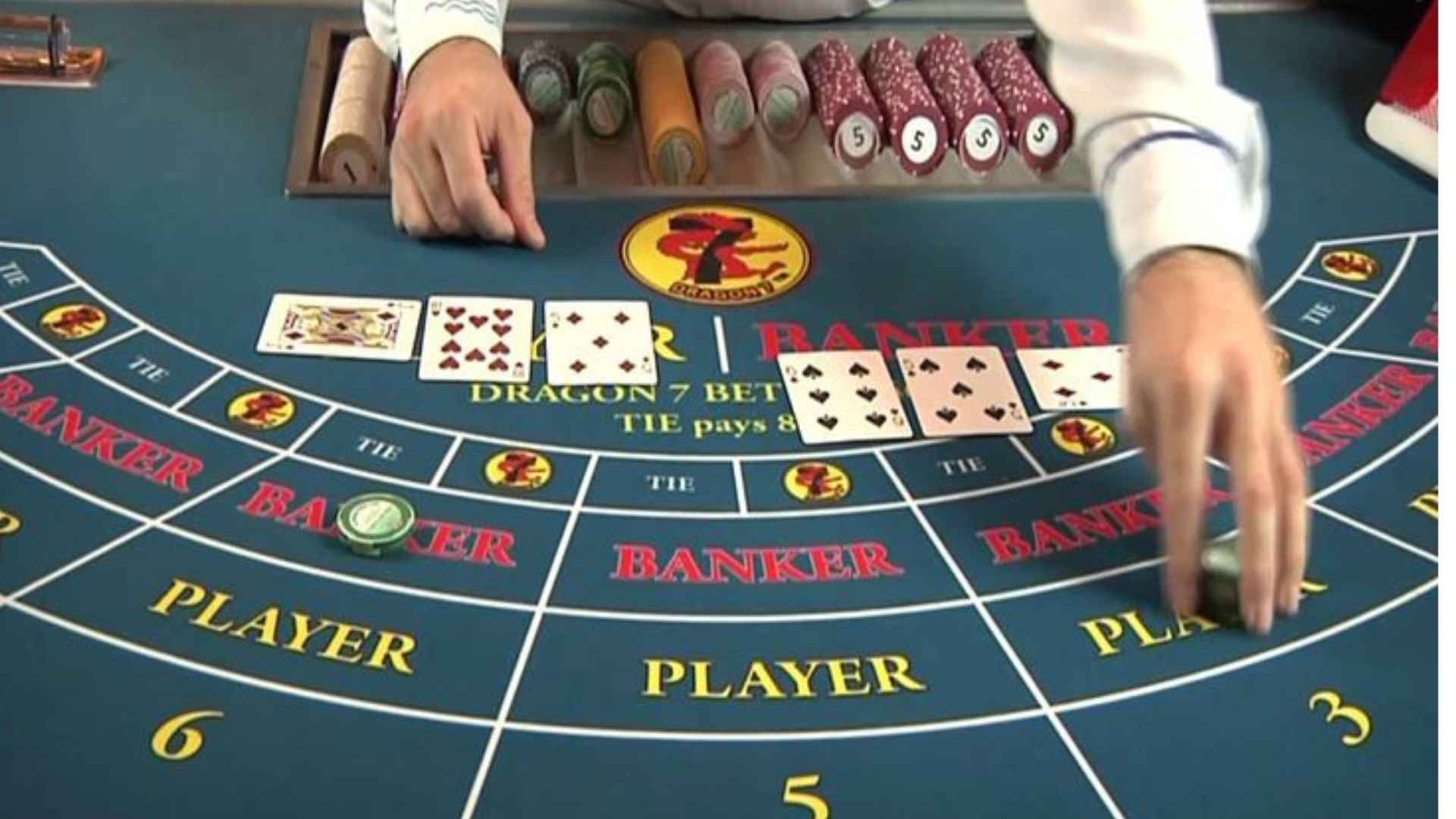
How to Balance Farming and Joining Team Fights as a Carry Hero

Understanding Random Number Selection In Digital Games
Modern interactive software relies heavily on mathematical algorithms to simulate unpredictable scenarios and keep gameplay engaging over time. From determining critical hits in role-playing adventures to generating random item drops, these underlying mechanics shape how players perceive fairness and excitement. Understanding the algorithms behind digital chance reveals a complex framework designed to balance mathematical precision with human player expectations.
Most modern gaming systems do not use true atmospheric randomness but instead rely on complex formulas known as Pseudo-Random Number Generators. These mathematical systems use a starting seed value, often taken from the internal hardware clock, to produce a long sequence of seemingly unpredictable numbers. Because the calculations follow a fixed formula, the resulting outputs are deterministic yet sufficiently variable to feel entirely natural during active gameplay sessions.
Developers carefully tune these algorithmic sequences to ensure that certain rare events do not occur too frequently or cluster together in frustrating patterns. When an algorithm functions perfectly, players experience a smooth flow of diverse outcomes that makes every interactive session feel unique. This structural predictability behind the scenes is what allows designers to maintain tight control over the overall virtual economy.
Pure mathematical randomness can sometimes result in long streaks of bad luck, which can quickly alienate casual participants. To combat this issue, many modern titles employ adaptive probability mechanics often referred to as pity systems or progressive luck enhancement. These systems dynamically adjust the underlying percentage chances after consecutive failures, ensuring that players eventually receive a positive outcome.
This design philosophy is especially prevalent in platform rewards and competitive environments where balancing player satisfaction is vital for long-term engagement. For instance, digital entertainment ecosystems utilizing special promotional incentives, such as the 体育奖金 m88 system, integrate structured award systems to keep the general community motivated. By mitigating extreme variance, developers can protect the consumer experience without eliminating the thrill of uncertainty.
The technical calculation of a random number happens in a fraction of a millisecond, but the way that outcome is delivered to the player takes careful planning. Game designers use spinning wheels, card shuffling animations, and delayed treasure box openings to build suspense before revealing the final result. This deliberate pacing transforms a simple digital variable into a highly memorable highlight during an active session.
Furthermore, clear audio cues and flashing visual elements reinforce the positive emotional response when a valuable or rare number selection occurs. Without these stylistic additions, the underlying math would feel sterile and fail to trigger the psychological excitement that drives interactive entertainment. Ultimately, the successful integration of random number selection requires a perfect marriage between robust mathematics and immersive presentation techniques.

How to Make a Cake in TOTK With Required Ingredients
The culinary system in The Legend of Zelda: Tears of the Kingdom offers players an incredible amount of freedom to experiment with various ingredients found across Hyrule. Among the most rewarding recipes to master are the various types of cakes, which provide excellent status boosts and health recovery for Link during his long journey. Understanding the core baking mechanics and locating the necessary components will allow you to quickly fill your inventory with these delicious desserts.
To successfully bake a standard cake in the game, you must track down three fundamental base components that form the foundation of every recipe. These essential items are Tabantha Wheat, Cane Sugar, and Goat Butter, which must be combined together in a hot cooking pot. Missing even one of these core elements will result in a failed dish or a completely different type of meal.
Tabantha Wheat can be gathered easily by traveling to the colder Tabantha Frontier region and cutting down the tall wild grass growing in the fields. The other two items, Cane Sugar and Goat Butter, are readily available for purchase at general stores located in major settlements like Rito Village or Hateno Village. Keeping a healthy stock of these items ensures you can bake whenever you encounter a cooking station.
Once you have gathered the three foundational ingredients, the final step involves adding a specific fourth item to determine the exact type of cake you will produce. For instance, throwing in a splash of Monster Extract will reward you with a mysterious Monster Cake that boasts unique duration variables. Alternatively, adding a piece of fresh fruit like an apple or a wild berry will yield a standard fruit cake.
Different modifiers grant distinct benefits that can help you survive tough boss encounters or navigate harsh environmental hazards across the map. You can also experiment with rare components to see how the secondary effects change the potency of the final dish. This flexibility allows players to customize their recovery items based on their current exploration needs.
Baking your dessert is an incredibly straightforward process that simply requires you to locate an active cooking pot over an open flame. Open your inventory screen, select the three core baking items along with your chosen flavor modifier, and choose the option to hold them in Link's arms. Approach the simmering pot closely and press the designated button to drop the ingredients inside to begin the cooking animation.
A successful combination will trigger a cheerful jingle and instantly add the newly minted dessert directly into your food tab. It is important to avoid mixing conflicting items like fish or monster parts unless the specific recipe calls for them, as this will result in Dubious Food. Mastering this simple routine will drastically improve your efficiency when preparing for dangerous underground expeditions.
Eating these sweet treats does more than just fill Link's health bar during intense combat situations in the deep wilderness. Depending on the freshness and quality of the additional ingredients used, your cakes can grant extra hearts or temporary stamina extensions. Cooking during a Blood Moon event even provides a guaranteed critical success that boosts the final stats of your meal significantly.
Planning your baking sessions around these celestial events is a great strategy for maximizing the value of your gathered resources. Having a diverse collection of high-yield desserts ensures that you are always prepared for unexpected challenges in the sky or deep underground. Taking the time to collect these ingredients turns Link into a masterful chef capable of conquering any obstacle.
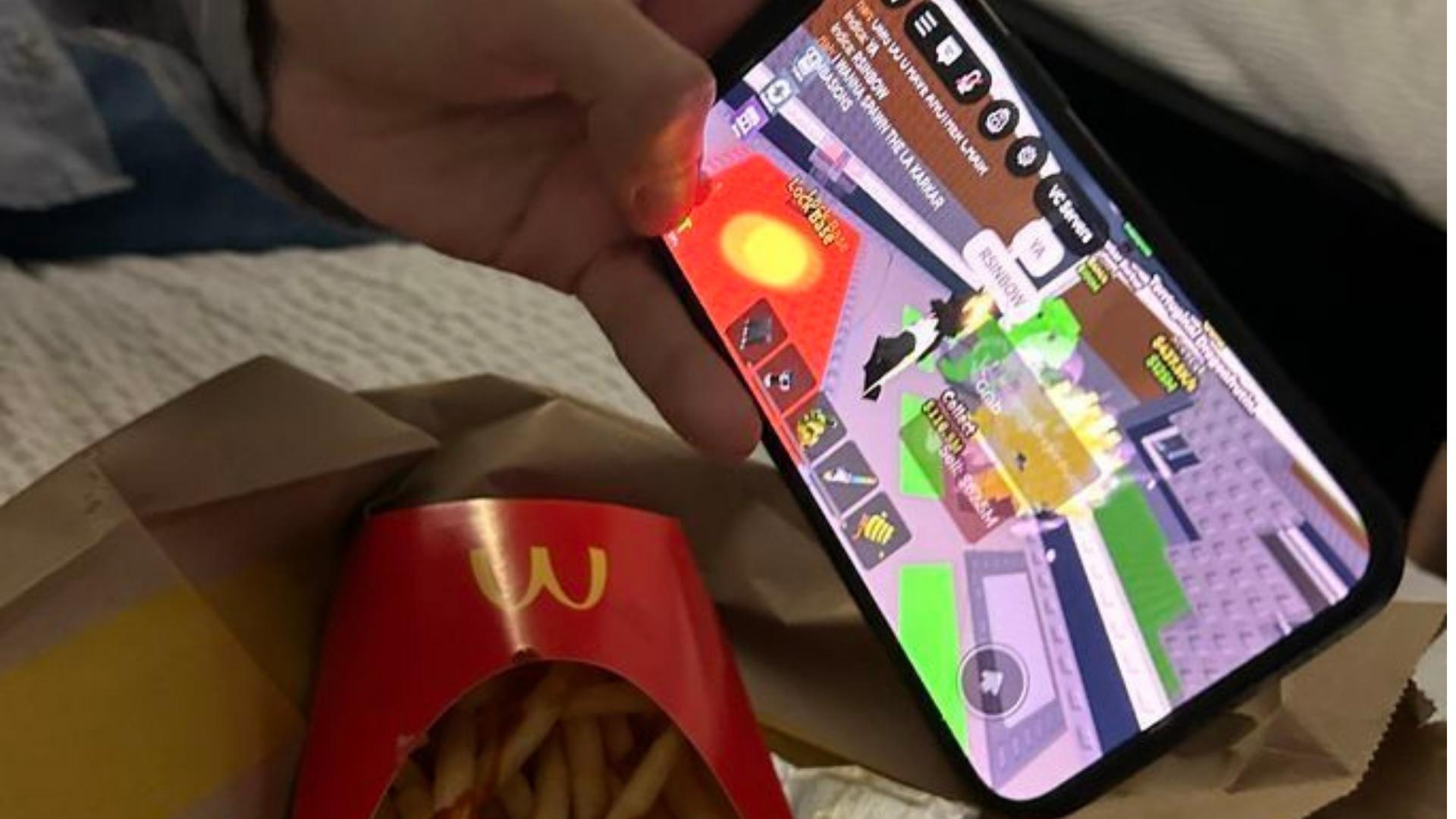
PlayStation Remote Play Steam Deck Setup and Compatibility Guide
The boundary between home consoles and portable hardware continues to blur as handheld systems rise in popularity. Valve's Steam Deck has emerged as a versatile powerhouse, capable of running not only native PC titles but also streaming modern console experiences. By configuring local streaming capabilities, players can leverage their existing hardware to access expansive libraries without sitting in front of a television.
Official applications for streaming modern console games are generally absent from Linux-based platforms. To fill this gap, independent developers created open-source alternatives like Chiaki and its optimized counterpart, Chiaki4deck. These specialized programs serve as the required translation layer between the console's internal network protocols and the handheld device.
Acquiring these applications is straightforward via the built-in software discovery center in desktop mode. Once installed, the application requires a brief initial configuration to discover active home consoles on the local network. A stable wireless environment or a wired dock connection ensures the configuration process goes smoothly without dropped signals.
Before launching the software, users must obtain their unique account identifier, which differs from standard public usernames. Various web-based tools can safely extract this numeric ID using public profile information. After securing this identifier, you must navigate to the system settings on the home console to generate an official remote link code.
Inputting both the account ID and the freshly generated pin into the handheld client establishes a permanent encrypted handshake. It is highly recommended to add the streaming application as a non-Steam shortcut immediately after successful authentication. This adjustment allows the software to run cleanly inside the standard gaming interface, providing full access to global controller templates.
Streaming high-definition interactive media demands an exceptionally robust local network architecture rather than simple high-speed internet. Utilizing a dual-band wireless router configured specifically to the five gigahertz frequency helps prevent stuttering and input delay. For the absolute best performance, the host console should remain connected to the main router using a physical ethernet cable.
Adjusting the bitrate and internal resolution within the application properties can also alleviate visual artifacting on congested networks. Lowering the output target to seven hundred and twenty pixels often provides a flawless visual match for the portable display size. These minor tweaks transform a choppy connection into a highly responsive, low-latency gameplay session.
The vast majority of modern interactive software functions perfectly when redirected to a portable screen over a local network. Specialized features like standard touch controls and gyroscopic aiming map naturally onto the physical inputs of the handheld system. Players can even create custom touch menu configurations to emulate complex directional pad behaviors or menu shortcuts.
Because the handheld architecture features additional rear buttons, navigating complex console menus becomes significantly more comfortable. Certain proprietary physical features, such as advanced resistive triggers, will adapt to traditional linear inputs automatically. The resulting tactile experience delivers an exceptional balance of comfort and precision for long gaming sessions.

The World Is Yours 4K Wallpaper Ideas for Stylish Displays
A high-resolution desktop background does more than simply cover a blank screen; it serves as a daily statement of intent and personal style. For individuals seeking motivation or a sophisticated aesthetic, integrating iconic quote imagery into a digital workspace can completely transform the overall user experience. Utilizing premium 4K options ensures that text lines remain incredibly sharp and colors remain perfectly vivid across any modern high-end monitor or television setup.
Minimalist layouts focus entirely on clear phrasing and elegant spatial distributions to deliver a strong message without cluttering your digital environment. Clean white or deep black backdrops coupled with bold serif fonts allow the motivational phrase to stand out effectively during long working sessions. This particular layout style ensures that all of your essential desktop shortcuts and active application windows remain easy to find and organize throughout the busy workday.Choosing monochromatic schemes or subtle muted tones helps reduce eye strain when working in dimly lit home offices or creative studios. Many modern design enthusiasts prefer these stripped-back variations because they blend seamlessly into professional workspaces and minimalist interior design themes. The simplicity of the visual composition ensures that the empowering text remains the true focal point of the presentation.
For those who love vintage cinematic culture, drawing inspiration from classic films or stylized neon urban graphics provides an incredibly vibrant alternative. Think of glowing neon signs reflecting off rainy streets or bold art-deco statues framing the empowering message against a dark sky. These deeper color palettes look exceptionally striking on high-end OLED screens where deep contrasts and rich color saturations can truly shine.
Integrating these retro visual elements allows users to celebrate iconic historical designs while keeping their display looking incredibly modern. Stylized grain effects and dramatic lighting choices add depth to the digital environment, making it feel like a custom piece of digital art. This direction works perfectly for gamers and entertainment enthusiasts who want their secondary monitors to match a stylized desktop aesthetic.
Expanding the visual canvas into cosmic horizons or swirling abstract gradient designs offers a highly imaginative way to customize digital displays. Swirling nebulae, distant star fields, and planetary silhouettes create an expansive backdrop that naturally reinforces the idea of boundless digital possibilities. The vibrant blends of deep blues, royal purples, and energetic pinks bring a dynamic energy to any workspace setup.
Abstract geometric structures can also introduce a sense of structured sophistication, making your monitor feel more dynamic and uniquely engaging. These patterns interact brilliantly with 4K screen resolutions, highlighting tiny details and smooth color transitions that lower resolution files simply cannot replicate. Selecting an expansive abstract theme ensures that your monitor becomes a captivating centerpiece whenever your computer system is left idle.

How Position Selection Could Change The Social Experience
The layout of a room and where people choose to sit have a profound impact on human interaction and group dynamics. Whether in a corporate boardroom, a casual dining space, or a traditional card room, spatial choices alter eye contact and conversational flow. By analyzing these subtle environmental shifts, we can better understand how physical presence shapes our shared connections.
Choosing a specific seat at a table changes how a person is perceived by the rest of the group. Sitting at the head of a rectangular table historically signals leadership and control over the proceeding discussion. Conversely, round configurations eliminate traditional power spots and naturally encourage a more collaborative and democratic atmosphere among participants.
Proximity also dictates the emotional tone of an interaction, as sitting too close can feel intrusive while sitting too far creates detachment. When people are properly spaced, they experience an increased sense of security and open up to deeper conversations. These subtle physical distances ultimately determine how comfortable individuals feel expressing their thoughts.
Architects and hospitality experts deliberately utilize physical arrangements to cultivate specific social behaviors and moods. High-energy spaces use shared focal points to draw crowds together, whereas intimate settings rely on clever barriers to ensure privacy. These deliberate environmental cues subtly guide how large groups navigate a room and engage with one another.
In recreational environments, position selection dictates the pacing and pressure of the entire group experience. Players looking to explore modern digital versions of classic table setups can use an m88 slot login to see how platforms organize these interactions virtually. This structural design bridges the gap between traditional social gatherings and contemporary automated interfaces.
When individuals change their positions during an ongoing session, the entire communicative balance of the room shifts instantly. A vocal participant moving to a central position can dominate the conversation, while moving to the periphery allows others to speak. This constant spatial reshuffling keeps group dynamics fluid and prevents relationships from becoming completely static.
Observing these changes reveals that human interaction is heavily dependent on the immediate physical context. Small adjustments in seating height, viewing angles, and distance can completely alleviate social fatigue over long periods. Recognizing these subtle factors helps us design better environments for teamwork, entertainment, and everyday connection.
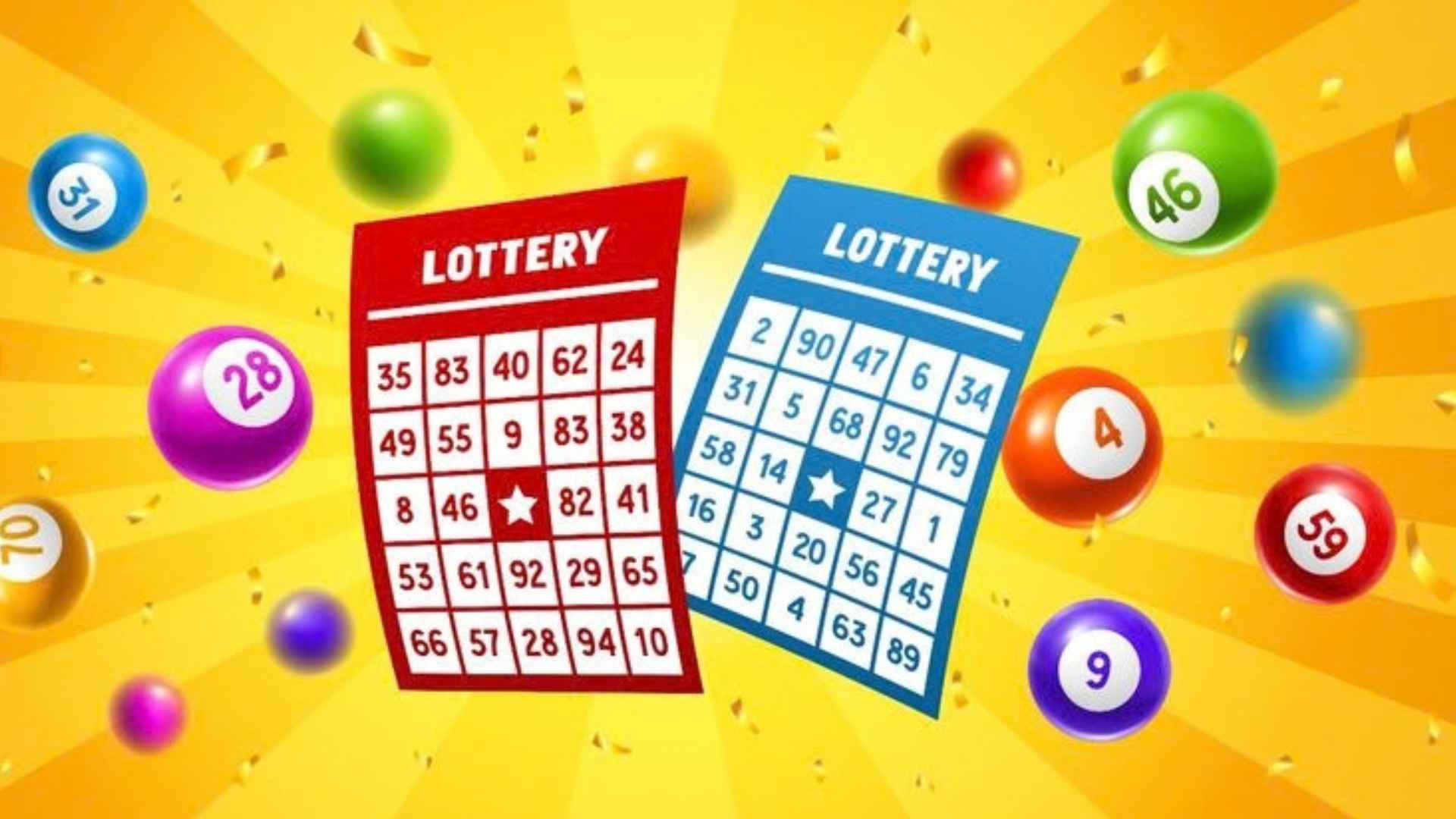
What Is A USB Storage Device For PS4
Managing your gaming library on a PlayStation 4 can eventually lead to storage constraints as modern game updates and installations grow larger. A USB storage device serves as an external hardware solution designed to expand your console's capacity and prevent the need to delete your favorite games. By connecting this hardware directly to your system, you create a dedicated repository for digital data.
When utilizing a external drive with your console, the system typically categorizes the hardware into two distinct roles. The first is standard storage, which allows players to back up saved game data, capture screenshots, and transfer media files between devices. This setup is highly useful for managing individual player profiles and transferring clips to a computer.
The second and more popular role is extended storage, which formats the drive to behave like an extension of the console's internal hard drive. This modification allows you to install full downloadable games and applications directly onto the connected hardware. Operating your library from this source keeps your primary system running smoothly without cluttering the native dashboard.
Not every flash drive or portable hard drive available on the retail market will work seamlessly with your gaming system. Sony enforces specific technical benchmarks to ensure that data transfers quickly enough to prevent performance drops during gameplay sessions. To qualify for system expansion, your device must support a SuperSpeed USB connection interface of 5Gbps or faster.
Capacity constraints also dictate whether a device will function correctly when connected to your media setup. The console requires a minimum storage capacity of 250 GB, while the maximum allowable ceiling for a single device rests at 8 TB. Meeting these exact parameters guarantees that your console will recognize the external hardware upon connection.
Before you can begin transferring heavy software files, the connected accessory must undergo a localized formatting process through the system settings menu. This procedure completely erases any existing files on the drive to rewrite the file architecture into a layout that the console can safely read and write. Navigating to the devices section in your system settings will reveal the option to configure the drive.
Once the initialization process concludes, the system will automatically designate the accessory as the default download location for future purchases. Players retain the freedom to move existing applications back and forth between the internal drive and the new external environment. This flexibility makes organizing your interactive entertainment collection incredibly straightforward and efficient.

Downtown Brooklyn Spider Bot Locations In Spider Man 2
Hunting for collectibles in Marvel's Spider-Man 2 provides players with an excellent way to explore the expanded virtual New York City while earning valuable upgrade materials. Among the various open-world activities, tracking down the hidden automated tokens scattered across the boroughs offers unique nods to the wider spider franchise. If you are currently scanning the skylines and underpasses of the eastern side of the map, discovering the specific coordinates in this district will significantly accelerate your progress toward achieving full completion status.
Your search begins along the western waterfront of the district, right near the public parking facilities adjacent to the beach area. In this zone, players should look for the recognizable pulse of a hidden drone crawling along a wall close to where the local Sandman crystal activity resides. Pinpointing this early collectible gets your neighborhood checklist off to a smooth start without wasting time wandering the residential streets.
Moving toward the northeastern corner of the territory reveals another distinct device attached to the exterior architecture of a prominent skyscraper. You will find this item scaling the highly reflective glass panels of a modern structure that features a distinctive rooftop pool facility. Spotting the bright colors against the shiny windows is relatively simple if you position your character on an opposite rooftop and scan the geometric patterns of the facade.
The third digital remnant shifts your attention toward the eastern boundaries, where the architecture blends high-rise office spaces with dense residential blocks. Navigate toward a massive, silver building covered in rows of windows that dominates the local skyline. The metallic surface makes the glowing signature of the device stand out clearly, allowing you to grab it easily from a vertical wall run.
To conclude your sweep of the area, you must descend from the rooftops and explore the transit infrastructure running through the southeastern zone. A final collectible is hidden directly underneath the elevated green train tracks that run toward the neighboring borough. Look closely at the structural crossbeams supporting the railway lines to secure the last required token for the neighborhood.
Tracking these devices effectively requires players to pay close attention to environmental cues rather than just standard waypoint markers. Each unit emits a large, shimmering pulse wave that is visible from a significant distance when you are swinging through the city blocks. Listening for the distinct rhythmic clicking sound will also tell you exactly when you are getting closer to their structural hiding spots.
Gathering all these hidden items rewards you with vital technology parts and experience points needed to unlock late-game suit variants and combat upgrades. Once the local district is entirely clear, you will be one step closer to solving the overarching mystery behind these mysterious robotic visitors.

Exploring Risk And Reward Through Random Wheel Mechanics
Random wheel mechanics have become a fundamental design element across digital entertainment, gaming systems, and decision-making tools. By combining visual suspense with unpredictable probabilities, these systems offer an intuitive representation of risk and reward. Understanding how these mechanics operate reveals why they capture player attention and how game developers balance excitement with fair gameplay.
At the core of any spinning wheel is a system of geometric probability that determines the likelihood of every outcome. Segments can be uniform in size to offer equal chances, or customized to represent varying degrees of risk. Larger sections provide frequent, smaller wins, whereas narrow segments represent rare, high-value prizes.
This visual distribution allows players to immediately assess their odds before initiating a spin. The direct relationship between segment width and probability makes complex mathematical concepts accessible at a single glance. Players instinctively gauge risk based on how much space a desirable target occupies on the wheel.
The visual deceleration of a spinning wheel plays a critical role in heightening anticipation. As the rotation slows down, the pointer tick-ticks across individual boundary lines, creating moments of intense focus. This deliberate pacing transforms a simple random number generation into an engaging narrative event.
Near-miss experiences, where the wheel stops just one segment away from a major reward, strongly influence player perception. These moments create a sensation of proximity to success, which encourages further engagement. Game designers carefully refine friction curves to ensure that the slowing phase maximizes suspense without feeling artificially drawn out.
Modern interactive platforms integrate wheel mechanics to diversify reward structures and keep gameplay dynamic. Players often encounter these systems as daily bonus events, minigames, or progression rewards that offer variable outcomes. Integrating chance-based elements alongside skill-based tasks helps maintain long-term player motivation.
For players exploring diverse gaming environments, platforms like m88 alternatif demonstrate how streamlined interface choices can elevate user engagement. Providing clear reward tiers and transparent rules ensures that participants feel confident in the fairness of the system. Balancing transparency with unexpected outcomes remains essential for maintaining user trust.
While random wheels rely heavily on chance, player agency can still be introduced through pre-spin choices or risk modification features. Allowing users to choose between high-volatility wheels or steady, low-risk alternatives gives them control over their preferred playstyle. This balance empowers individuals to tailor their experience according to their personal risk tolerance.
Ultimately, the enduring popularity of wheel mechanics stems from their ability to make probability tangible and entertaining. By carefully calibrating segment proportions, visual speed, and reward distribution, creators build compelling experiences that remain inherently balanced and enjoyable.

Loop In Stars And Time Complete Gameplay Guide
Navigating the intricate time mechanics of In Stars and Time requires a solid grasp of both its tactical turn-based combat and its narrative loops. Players control Siffrin and a charming cast of companions trapped in a repeating cycle just before a grand confrontation. Mastering the core mechanics is essential to breaking the cycle and uncovering the emotional depth of the story.
The time loop functions as the primary progression system where failure is merely an opportunity to gather crucial information. Every reset allows Siffrin to retain knowledge of past events, opening up new dialogue pathways and shortcuts through the castle. Remembering what happened in previous runs helps you solve puzzles much faster without wasting valuable resources.
As you repeat the same day, certain events will change depending on your choices and interaction order. Paying close attention to minor dialogue variations provides clues on how to bypass difficult combat encounters entirely. Balancing this progression ensures you move forward through the narrative without getting stuck in repetitive patterns.
Combat relies heavily on a classic Rock Paper Scissors elemental affinity system tied to your party members' skill sets. Exploiting enemy weaknesses grants your team additional turns and tactical advantages during intense skirmishes. Coordinating these combat types allows you to maximize damage output while keeping your health pools healthy.
Party synergy plays a vital role in overcoming the late-game bosses that guard the final rooms. Combining Siffrin's quick strikes with the supportive abilities of your allies creates powerful combat loops that turn the tide. Utilizing defensive maneuvers effectively will keep your team alive during extended engagements.
Throughout your journey, you will collect unique items known as memories that grant persistent stat upgrades and new abilities. These upgrades remain intact even after the clock resets, slowly turning your party into an unstoppable force. Prioritizing which memories to equip can drastically alter your strategy for upcoming challenges.
Item management is critical because standard inventory supplies diminish when a new loop begins. You must learn which items are worth using immediately and which ones should be conserved for major encounters. Balancing your loadout before tackling a new run makes exploration much more efficient.
Reaching the conclusion requires players to solve complex environmental puzzles scattered across multiple floors. Many of these riddles require you to intentionally trigger specific loop conditions to alter the map layout. Documenting your discoveries makes it much easier to track which paths you have already explored.
The emotional weight of the narrative culminates in a series of final battles that test everything you have learned. Staying patient and using your accumulated knowledge will eventually lead you to the true ending. Breaking the cycle rewards players with a profound conclusion to a memorable adventure.

The Psychology Behind Bluffing With Confidence
Bluffing in competitive card games is often viewed as a simple act of deception, but its true power lies in psychological control. When a player projects unwavering confidence, they compel their opponents to question their own mathematical odds and strategic reads. Understanding the mental mechanisms behind a believable bluff helps players master table dynamics and make more calculated decisions under pressure.
The foundation of any successful bluff relies on creating a persuasive narrative that opponents accept without hesitation. When a player acts with genuine composure, observers naturally assume that their actions are backed by a strong position. This psychological phenomenon forces opponents to calculate risk based on perceived strength rather than objective reality.
Projecting absolute certainty requires total alignment between betting patterns, physical demeanor, and decision speed. Any hesitation or sudden deviation from normal behavior can instantly undermine the illusion and invite unwanted calls. Skilled strategists practice maintaining identical body language whether holding a winning hand or total air.
Executing a bluff inherently generates internal psychological stress due to the immediate risk of severe loss. Successful bluffers possess high emotional regulation, allowing them to remain calm while deliberately increasing the stakes. By keeping their heart rate steady and facial expressions neutral, they prevent perceptive rivals from detecting subtle tells.
Many gaming enthusiasts study psychological discipline and behavioral patterns through digital platforms accessible via m88 slot login to refine their tactical approach. Experiencing high-pressure scenarios regularly builds familiarity with stressful situations, making bluffing feel like a routine execution rather than a high-stakes gamble. Over time, emotional resilience transforms tense moments into predictable strategic opportunities.
A confident bluff is only as effective as the opponent's willingness to fold their cards. Elite players analyze their rivals' behavioral tendencies to identify individuals who are naturally risk-averse or prone to overthinking. By targeting players who prioritize bankroll protection, a well-timed bluff yields maximum profitability with minimal exposure.
Understanding cognitive biases, such as loss aversion, allows players to size their bets in a way that triggers maximum doubt. When a bet size threatens an opponent's comfortable comfort zone, their logical reasoning often collapses into defensive caution. Recognizing these psychological triggers turns standard card play into a sophisticated mental battle.
Confidence cannot be faked perpetually without a solid foundation of actual table presence and credibility. If a player bluffs too frequently, attentive opponents will adapt and call their bets with increasingly marginal holdings. Balancing deceptive plays with strong value bets ensures that a confident image remains respected throughout a session.
Ultimately, the psychology of bluffing extends far beyond individual hands to encompass overall strategic reputation. Players who cultivate an image of disciplined selectivity can execute bluffs with far higher success rates. Strategic deception remains one of the most compelling demonstrations of psychological mastery in competitive gaming.
Semua artikel sudah ditampilkan.